The intriguing journey of gambling through the ages A historical perspective
The Origins of Gambling
The practice of gambling dates back thousands of years, with evidence found in ancient civilizations such as Mesopotamia, China, and Rome. Archaeological findings suggest that people used rudimentary forms of dice and betting games as early as 3000 BC. These early activities were often intertwined with social and ritualistic practices, showcasing a connection between luck and fate that persists in gambling culture today. For those interested in modern trends, https://pinup-online-casino.ng/ highlights contemporary offerings.
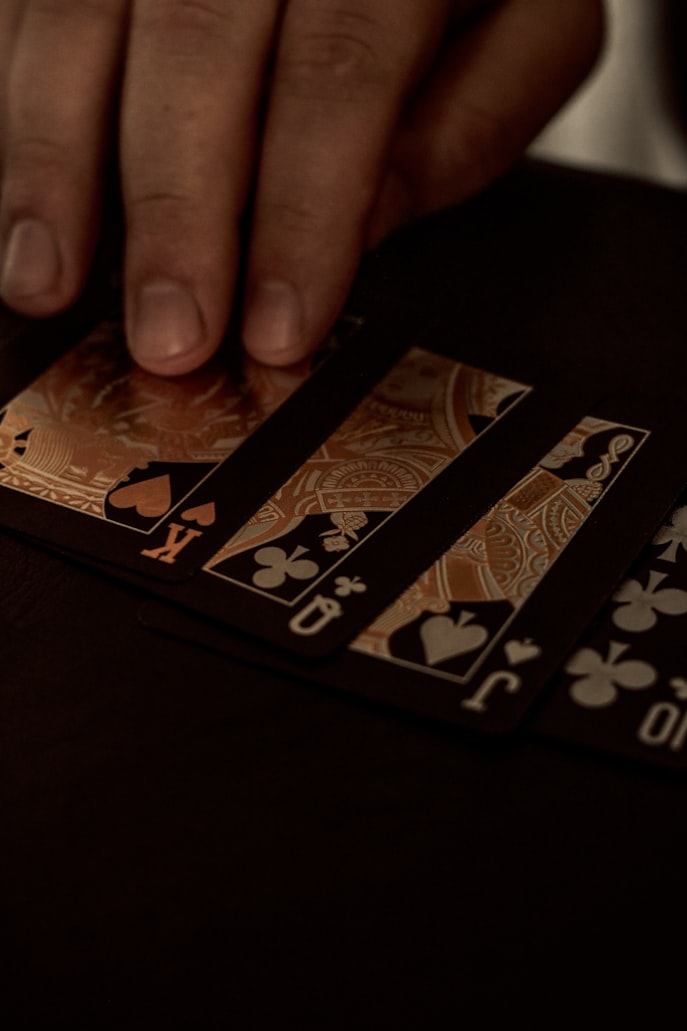
In ancient China, around 2300 BC, gambling was formalized with the invention of games of chance. The Han Dynasty saw the emergence of the first known lottery, which funded various state projects. This historical intertwining of gambling with government initiatives illustrates how deeply ingrained the practice has been in societal structures throughout history.
The Evolution Through Middle Ages
The Middle Ages presented a complex landscape for gambling, where it became both a source of entertainment and a subject of regulation. In Europe, various forms of gambling flourished, particularly in the courts of nobility. However, this era also saw the Church’s growing disapproval, leading to intermittent bans and moral debates surrounding the practice. During this time, the notion of a Pin-Up online casino in Africa was unimaginable.
Despite restrictions, gambling continued to thrive, especially in the form of card games and betting on outcomes of various contests. These activities laid the groundwork for the more organized structures of gambling that would emerge in the Renaissance, illustrating the persistent allure of risk-taking and chance across different societal strata.
The Rise of Casinos in the Modern Era
The 17th and 18th centuries marked the formal emergence of casinos, particularly in Italy and France. The establishment of the first official casino, the Ridotto in Venice, in 1638, provided a regulated space for gambling, reflecting the growing demand for both entertainment and social interaction. This period was significant in shaping the modern casino experience we recognize today.
As gambling spread across Europe, it adapted to local cultures and preferences. In France, games like roulette became immensely popular, while in England, betting on horse races took center stage. This diversification underscored the evolving nature of gambling as not just a game of chance but as a blend of strategy and social engagement.
The Digital Transformation of Gambling
The late 20th century witnessed a revolutionary shift with the advent of the internet. Online gambling emerged, transforming the traditional landscape into a digital frontier. The launch of online casinos allowed players to access a vast array of games from the comfort of their homes, breaking geographical barriers and expanding the audience significantly.
This transition also introduced new forms of gambling, such as live dealer games and interactive betting platforms. The emphasis shifted towards enhancing the user experience, with features like mobile compatibility and real-time interactions, creating a dynamic environment where luck and skill coalesce in innovative ways.

Pin-Up Online Casino: A Modern Experience
Pin-Up online casino represents the culmination of this historical journey, offering a localized gaming experience tailored to African players. With an extensive selection of over 5,000 games, including popular slots and live dealer options, it embodies the evolution of gambling into the digital age.
By prioritizing security and user-friendly interfaces, Pin-Up ensures that every player enjoys a seamless betting experience. With enticing promotions, generous bonuses, and 24/7 support, it continues to engage modern players, reflecting the enduring allure of gambling throughout history.
Leave a Reply